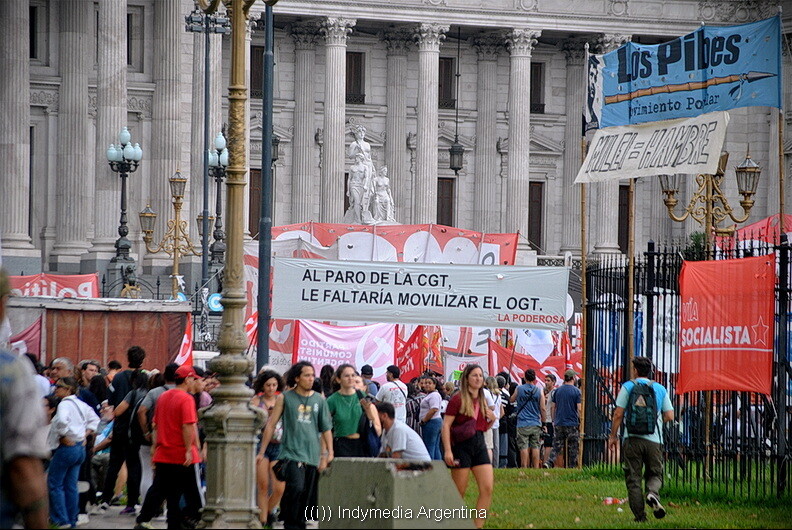
The government's readiness to implement rapid and radical measures is evident in a series of reforms targeting the working class and other sectors of society. These include a labor reform, changes to the juvenile penal code, amendments to the laws on glaciers and university funding, and the signing of trade agreements with the EU and the US. This broad offensive appears boundless, leaving social resistance with no option but to grow and radicalize. A particularly concerning measure is the creation of the Labor Assistance Fund (FAL), which shifts the cost of layoffs from employers to workers and hands over control of these funds to financial sectors. This not only defunds ANSES but also mirrors the abolished private pension fund system. Despite initial parliamentary victories, widespread public resistance, demonstrated through strikes and mobilizations, suggests that the government's political triumph may be short-lived. Its economic model, based on a weak dollar, open imports, and new debt, faces significant constraints, including economic stagnation, high unemployment, and persistent inflation. These factors, coupled with growing social discontent, create a fertile ground for further radicalization and potential destabilization.